
Some children feel things quickly—and act on those feelings just as fast. A toy is grabbed before asking, a shout comes out before thinking, and frustration can escalate in seconds. It’s not a lack of caring or effort. It’s a gap between what they feel and what they can do with it—and that gap can be taught.
With consistent coaching and the right environments, children can learn to slow down, express themselves, and recover from big emotions more easily. Approaches like play therapy and child group therapy are especially effective because they turn these skills into real, repeatable experiences—not just rules to remember.
What’s Behind Impulsivity and Emotional Surges?
A child’s “brakes” (self-control) develop later than their “gas pedal” (emotion and action). When something exciting or frustrating happens, the brain can move faster than the skills needed to pause and choose a response.
You might notice:
Interrupting, grabbing, or blurting
Intense reactions to small changes
Difficulty waiting, sharing, or taking turns
Trouble settling after getting upset
These are signs that self-regulation is still under construction.
Reframe the Goal: Teach the Skill, Don’t Just Stop the Behavior
Quick corrections might stop a moment—but they don’t build lasting change. Kids need:
A clear alternative (“What do I do instead?”)
Coaching in the moment
Repetition in safe settings
Encouragement when they try
Think of it as training a skill set, not fixing a flaw.
Strategy 1: Create a Simple “Reset Routine”
Give your child a predictable way to reset when emotions spike.
Try a 3-step routine:
Pause (hands on belly)
Breathe (in for 4, out for 4, three times)
Pick (choose: ask for help, take a break, use words)
Practice during calm times so it’s easier to access when things heat up.
Strategy 2: Turn Feelings into Words
When kids can name what’s happening inside, they’re less likely to act it out.
Make it easy:
Use a small set of words: mad, sad, worried, frustrated
Offer choices: “Is it angry or frustrated?”
Pair with needs: “You’re frustrated because you wanted a turn.”
Naming doesn’t solve everything—but it lowers the intensity and opens the door to problem-solving.
Strategy 3: Use Movement to Regulate
Before a child can think clearly, their body needs to settle.
Quick body tools:
Wall pushes or chair push-ups
Carrying a “heavy job” (books, laundry)
30-second jump break, then breathe
These inputs help the nervous system shift out of “react mode.”
Strategy 4: Practice Impulse Control Through Games
Kids learn best by doing. Build “stop-and-go” control into play.
Great options:
“Red Light, Green Light”
“Simon Says”
Turn-taking games with a timer
Keep it short and fun. Praise effort: “You waited—that was hard and you did it.”
Strategy 5: Plan for Known Triggers
Many tough moments are predictable—transitions, hunger, losing a game, noisy places.
Get ahead of it:
Give countdowns (“2 minutes, then we clean up”)
Offer choices (“blocks or books first?”)
Create a simple exit plan for overwhelm
Preparation reduces surprise—and surprise fuels reactions.
Strategy 6: Teach Repair, Not Shame
After a tough moment, focus on learning and reconnecting.
Keep it simple:
“That was a big feeling.”
“Let’s try our reset.”
“What can we do next time?”
Kids who learn to repair mistakes build confidence and resilience.
Where Structured Support Makes a Difference
Home strategies matter—but some children need guided, repeated practice in environments designed for learning these skills.
🌱 Play Therapy: Skills Through Experience
In play therapy, children use play to express emotions and practice coping strategies in real time. Because play is natural for kids, the lessons stick.
Children can:
Practice calming strategies during play
Work through frustration safely
Build confidence through guided success
🤝 Child Group Therapy: Real-World Practice
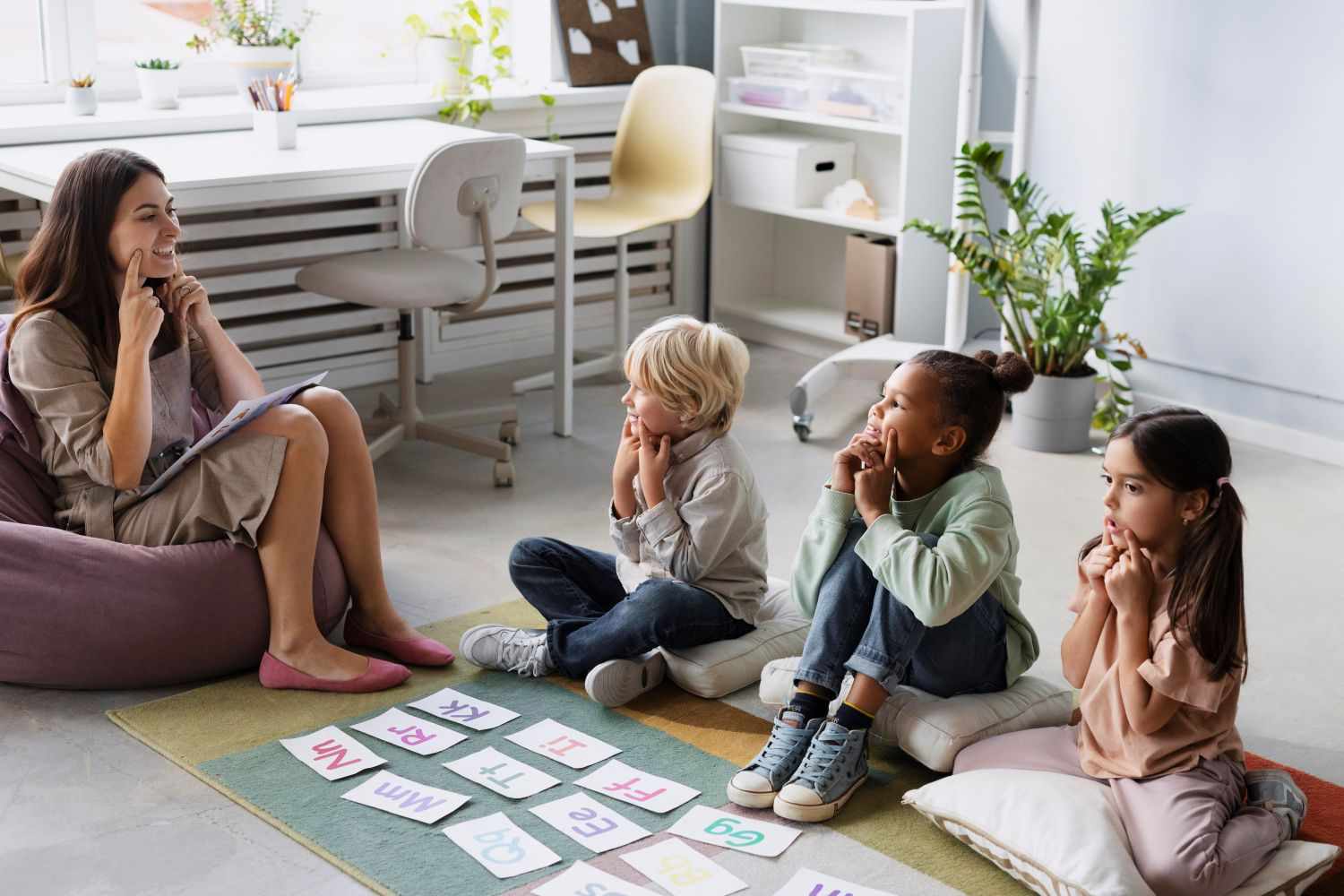
Child group therapy adds peers—and that changes everything. Kids practice:
Waiting and taking turns
Handling wins and losses
Communicating needs with others
Recovering after frustration
These are the exact situations where impulsivity shows up—so practicing them in a structured group builds real-life skills.
What Progress Looks Like
Change is gradual, but you’ll see it:
A brief pause before reacting
Using words more often
Shorter, less intense outbursts
Faster return to calm
Small gains add up to big shifts over time.
Tips for Parents (That Actually Help)
Be consistent with language and routines
Model calm—your tone teaches more than your words
Catch effort, not just success
Keep it short during hard moments; teach later
You’re building skills that last—not just getting through the day.
Final Thought
Impulsivity and big emotions aren’t problems to eliminate—they’re signals that a child is still learning how to manage their inner world.
With the right tools, steady practice, and supportive settings like play therapy and child group therapy, children can learn to slow down, make thoughtful choices, and feel more in control.
And once they have those skills, everything—from friendships to school to family life—gets easier.
Written by: Resilient Mind Psychotherapy


Write a comment ...